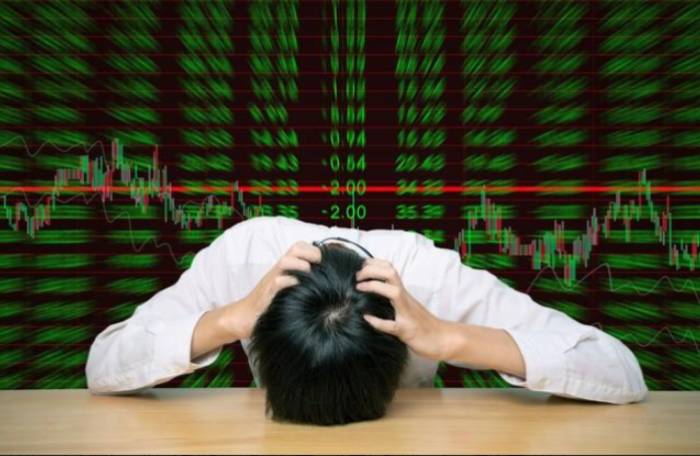
What to Do When Stocks Go Down: A Practical Guide
Quick Navigation
I’ve been investing for over a decade, and I’ve seen my portfolio drop 30% or more – twice. The first time, I froze. The second time, I actually made money while everyone else panicked. The difference? Not intelligence. Just a plan. So when stocks go down, here’s exactly what I do.
1. Don't Panic – Embrace the Drop
The worst thing you can do is sell out of fear. I learned this the hard way in 2020. I sold my tech stocks at the bottom, locking in losses. A month later, they rebounded 40%. Now I set up a rule: I don't make any portfolio changes for 30 days after a sharp decline. If I still want to sell after four weeks, I'll consider it. Almost always, that urge passes.
Emotion is the enemy. When the market drops 10% in a week, the news screams “CRASH!”. But historically, such drops happen every couple of years. The S&P 500 has averaged about a -14% intra-year decline every year since 1980, yet it ends positive in most years. So take a breath, step away from the screen, and don't act on impulse.
My rule: No major moves in the first 48 hours after a big drop. Let the dust settle.
2. Review Your Holdings Objectively
After I've calmed down, I pull up my portfolio and honestly assess each position. Not by how much it's down, but by whether the company's fundamentals have changed. If a stock dropped because the entire market is selling, I usually hold. If a stock dropped because of a company-specific problem (like earnings miss or scandal), I dig deeper.
For example, during the 2022 bear market, I owned a consumer stock that fell 35%. The company’s cash flow was still strong, and their products were still selling. I decided to hold and even add to it. Contrast that with a speculative biotech I held—it had no revenue and was burning cash. When it dropped 50%, I cut my losses because the thesis was broken.
What to check:
- Revenue and earnings trends
- Debt levels and cash reserves
- Competitive advantage
- Why the stock fell (market vs. company issue)
3. Should You Buy the Dip?
“Buy the dip” sounds great, but it’s risky if you buy too early or in the wrong stocks. I only buy the dip in assets I already believe in and want to own long-term. I never buy a stock just because it's down. I ask: “If I didn’t own this today, would I buy it at the current price?” If the answer is yes, I add. If not, I just hold or even sell.
I also use a phased approach. Instead of going all-in at once, I set price targets and buy in thirds. For example, if a quality stock drops 20% from its high, I buy a small tranche. If it drops another 10%, I buy more. This way I average down without catching a falling knife.
One mistake beginners make: they rush to buy the most beaten-down stocks without checking if those companies might go bankrupt. Avoid penny stocks or highly leveraged companies during a downturn. Stick to blue-chip or ETFs to reduce risk.
Real example: In March 2020, I bought an S&P 500 ETF at 10% below the peak, then again at 20% below, and again at 30% below. That averaged my entry near the bottom. By year-end, I was up 45% on those purchases.
4. Hold Cash for Opportunities
One thing I’ve learned: cash is not trash during a downturn. I always keep at least 5% of my portfolio in cash or equivalents (like short-term Treasuries). When stocks drop, I have dry powder to deploy. Without cash, you’re forced to sell other assets to buy the dip, which creates a mess.
Another trick: I keep a list of “watchlist stocks” – companies I'd love to own at a certain price. When the market dips, I check if any of them hit my target. This prevents impulsive buys. For instance, I had my eye on a solid dividend stock with a target price of $100. It dipped to $94 during a correction last year. I bought 100 shares immediately. That stock now yields 4.5% and is up 15%.
5. Keep a Long-Term Perspective
Stocks go down, but over time they go up. The S&P 500 has delivered an average annual return of about 10% since its inception. Even if you buy right before a crash, staying invested for 10 years almost always yields positive returns. I remind myself that I don't need the money for 5-10 years, so short-term drops are just noise.
One thing I do: I avoid checking my portfolio daily during downturns. I set a weekly reminder to review. This reduces anxiety. Also, I contribute to my 401(k) regularly regardless of market conditions – that's dollar-cost averaging. When prices are low, I buy more shares. That discipline alone turns downturns into eventual gains.
Finally, remember that the best investors (Buffett, Lynch, etc.) all experienced crashes. They stayed the course and added when others were fearful. You can do the same.
Frequently Asked Questions
Related Brewing Guides
AMD vs Nvidia: Who's Winning the Chip War?

Translation in English: The A-share index is diverging, yet individual stocks ca

Two major bearish factors! A-shares test the 3,000 point level, Kweichow Moutai
The Biggest Stock Market Crash in History: Lessons and Impact