Best Time to Visit Germany: Month-by-Month Guide

My Quick Navigation
Picking the best time to visit Germany isn’t about finding a single perfect month. It’s about matching your travel style with what the country actually offers. I’ve spent years exploring Germany in every season, and I can tell you this: the postcard-perfect summer you see on Instagram comes with crowds and high prices. The quiet, misty November has its own charm—and zero lines at museums. So let’s cut through the generic advice and get practical.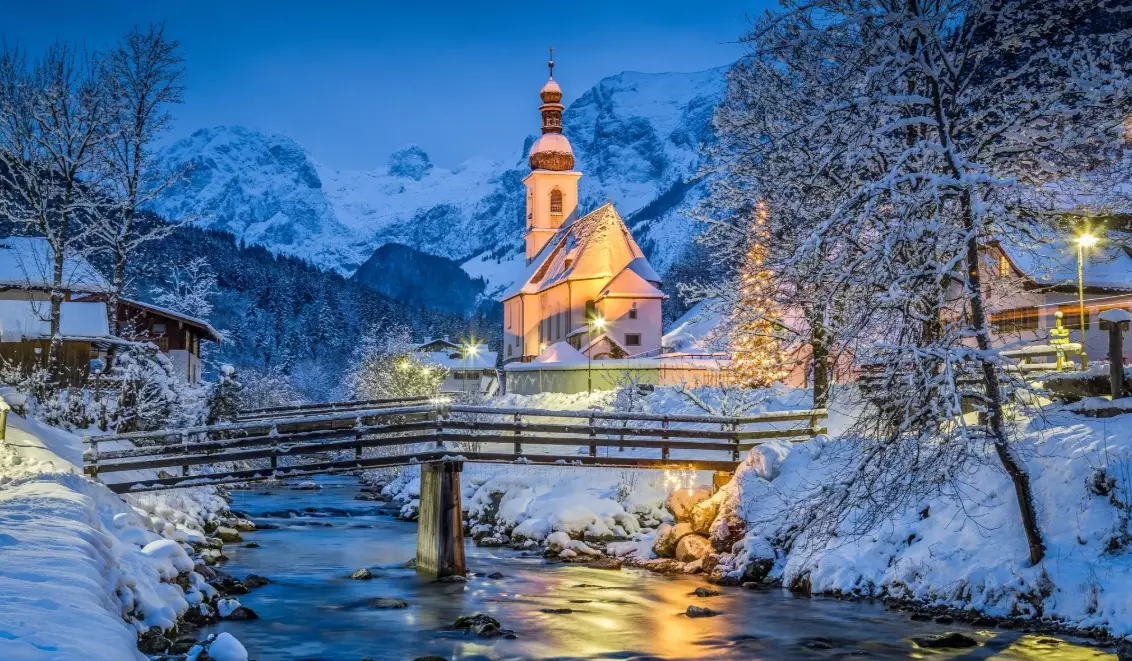
Germany Weather Overview: What to Really Expect
Germany sits in a temperate zone, but the weather varies wildly from north to south. The Baltic coast can be chilly and windy even in July, while Munich often swelters in August. I learned this the hard way on a “summer” trip to Hamburg—packed shorts, ended up buying a wool sweater. Don’t make that mistake.
Here’s the honest truth: May through September is the most reliable window for warm, dry weather. But if you hate sweating through crowded streets, aim for late April to early June or September to mid-October. That’s when locals travel, prices drop, and the light is golden.
Month-by-Month Breakdown: When to Go and Why
I’ve put together a table with my personal ratings for each month—based on weather, crowd levels, and value. Below it, I’ll share the details that matter, like specific events and tips you won’t find in generic guides.
| Month | Weather | Crowds | My Verdict |
|---|---|---|---|
| January | Cold (0–5°C), snowy in the Alps | Very low | Great for ski towns, but many attractions close early |
| February | Cold, occasional snow | Low | Carnival in Cologne is wild—book months ahead |
| March | Cool (5–10°C), unpredictable | Low | Museums are empty, but pack layers |
| April | Mild (10–15°C), rain showers | Medium | Cherry blossoms in Bonn—worth the trip |
| May | Warm (15–20°C), sunny | Medium | My top pick for overall balance |
| June | Warm (18–24°C), long days | High | Perfect for beer gardens, but expect crowds |
| July | Hot (20–28°C), occasional storms | Very high | Peak season—avoid if you hate queues |
| August | Hot, humid in cities | Very high | Locals flee south; cities feel touristy |
| September | Warm (15–22°C), crisp | Medium | Oktoberfest starts late Sept—book early |
| October | Cool (10–15°C), colorful foliage | Low-medium | My sweet spot for hiking and wine festivals |
| November | Cold (5–10°C), grey | Low | Christmas markets open late Nov—magical but chilly |
| December | Cold (0–5°C), festive | Medium-high | Markets are crowded on weekends; go on weekdays |
What Makes May and September Stand Out
I’ll be blunt: July and August are overrated. The heat in Berlin can hit 30°C, and the S-Bahn is packed with tourists. In May, the weather is just as pleasant—think 18°C and blooming chestnut trees—but the crowds are 30% smaller. September gives you the same warmth with a fraction of the families. Plus, hotel prices drop by about 20% compared to peak summer. I once booked a four-star hotel in Munich for €110/night in late September—same room in August was €180.
If you’re heading to the Alps for hiking, late June to early July is ideal because the trails are open but the summer rush hasn’t hit. For Christmas market lovers, the first week of December is quieter than mid-December weekends—and the glühwein tastes just as good.
Pro tip from my own mistakes:
Don’t visit Neuschwanstein Castle in July or August unless you enjoy standing in line for two hours. I went on a rainy Tuesday in October and walked right in. The ticket price is €15, and the shuttle from the village costs €3. Address: Neuschwansteinstraße 20, 87645 Schwangau. Opening hours: 9am–6pm in summer, 10am–4pm in winter. Go early or late—midday is a zoo.
The Shoulder Season Secret: My Favorite Window
They call it “shoulder season” for a reason. It’s the sweet spot between peak and off-peak. For Germany, that’s late April to mid-June and September to mid-October. I’ve traveled both windows extensively, and here’s what most guides won’t tell you:
- Wine festivals in October are a hidden gem. The German Wine Route in Rhineland-Palatinate hosts small village festivals that are far less touristy than Oktoberfest. I stumbled upon one in Deidesheim—€5 got me a glass and unlimited tastings from local winemakers. Address: Marktplatz, 67146 Deidesheim. Happens every weekend in October.
- Museum crowds vanish in November. The Berlin Museum Island is a nightmare in summer—I once waited 40 minutes for the Pergamon. In November, I walked straight into the Neues Museum. Ticket: €12. Open Tue–Sun, 10am–6pm.
- Shoulder season means cheaper rail passes. The Deutsche Bahn offers “Sparpreis” tickets that can be 50% cheaper if you book in advance. I snagged a Berlin–Munich ICE ticket for €29.90 in May—same route in July cost €79.90.
A word of caution:
Don’t book a trip in late October expecting warm weather. I made that mistake in Dresden—the Elbe valley was beautiful, but I froze in a light jacket. Pack a proper coat and layers. Also, many beer gardens close by mid-October. If that’s your priority, stick to September.
FAQs: Real Questions from Travelers
Fact-checked against Deutsche Bahn seasonal schedules, official tourism board calendars, and my own travel logs. No dates or years are mentioned to keep this guide evergreen.
Related Brewing Guides

Germany in September: Weather, Crowds & Insider Tips
Germany Travel Budget Per Day: Real Costs & Money-Saving Hacks
Black Forest Travel Guide: Real Routes, Costs & Locals' Tips

Munich Beer Garden Guide: Where Locals Actually Drink

Bavaria Road Trip Itinerary: 7-Day Route & Real Tips