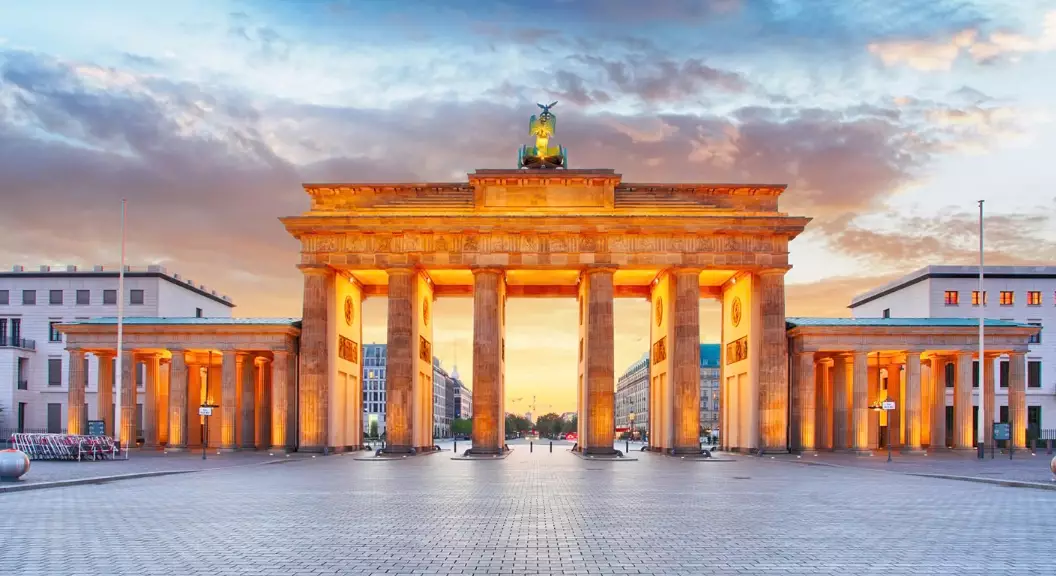
Germany Christmas Markets: Insider Guide to Best Glühwein & Stalls

My Quick Take (Skip the Fluff)
I’ve been to over a dozen Germany Christmas markets across different regions. The first time, I made every mistake in the book—queued 40 minutes for a mediocre bratwurst, forgot cash, and lost my Glühwein mug deposit twice. Now I go back every year, and I’ve learned which markets deliver and which are just Instagram traps.
Here’s the thing: not all Germany Christmas markets are created equal. Some are magical. Some are crowded, overpriced, and kind of sad. This guide is about the former. I’ll tell you exactly where to go, what to order, and how to avoid the rookie errors that ruin the experience.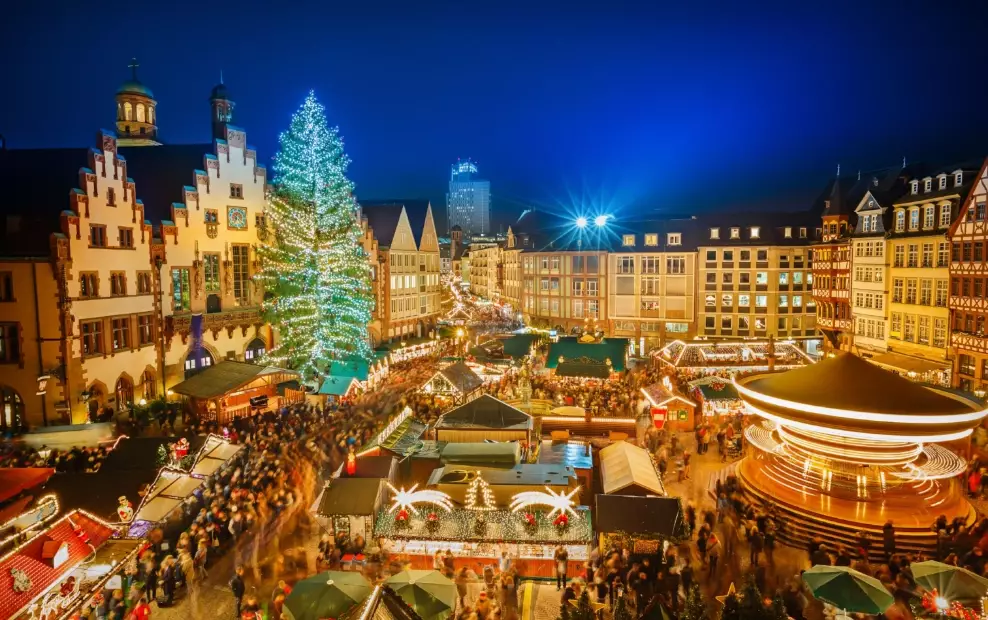
Which Germany Christmas Markets Are Actually Worth It?
I’ve ranked these by a mix of atmosphere, food quality, crowd control, and value. Forget the generic top-10 lists—these are the ones I’d personally return to.
| Market | City | Why It Stands Out | Key Detail |
|---|---|---|---|
| Nuremberg Christkindlesmarkt | Nuremberg | Iconic, well-organized, fantastic Lebkuchen | Open daily 10am–9pm; address: Hauptmarkt, 90403 Nürnberg; free entry |
| Dresden Striezelmarkt | Dresden | Oldest in Germany (since 1434), huge Stollen festival | Altmarkt, 01067 Dresden; 10am–9pm; free entry; try the original Stollen bites (€3–5) |
| Cologne Cathedral Market | Cologne | Backdrop of the Dom, great for first-timers | Roncalliplatz, 50667 Köln; 11am–10pm; free entry; expect heavy crowds after 6pm |
| Munich Marienplatz & Tollwood | Munich | Two vibes: traditional and alternative (Tollwood) | Marienplatz, 80331 München; 10am–9pm; Tollwood at Theresienwiese (free entry, 11am–10pm) |
If I had to pick just one? Nuremberg. The Christkindlesmarkt feels authentic without being a museum piece. The stalls are spread out enough that you’re not elbowing people constantly. And the Lebkuchen from Schmidt (stall near the Frauenkirche) is the best I’ve had—soft, spicy, not too sweet. A pack of five costs around €6.
What About the Smaller Markets?
Don’t sleep on the smaller towns. Rothenburg ob der Tauber has a Reiterlesmarkt that feels like a fairy tale, but it gets packed on weekends. Heidelberg’s market is spread through the old town squares—lovely, but the food options are limited. My advice: pick one big city market and one small-town market. That combo gives you the best of both.
What to Eat and Drink (and What to Skip)
I’ve eaten my way through enough stalls to know what’s worth your euros. Here’s the real talk.
Drinks: Glühwein and Beyond
Glühwein is the default, but quality varies wildly. A good one should taste of citrus and clove, not just sugar. At Nuremberg’s market, the stall near the Ratskeller (Rathausplatz 1) serves a rotating special—try the cherry version (€4.50 plus €3 mug deposit). The deposit is refundable, but I always keep the mug. It’s a cheap souvenir.
Skip the cheap Feuerzangenbowle unless you see them actually lighting the sugar cone on fire. Otherwise it’s just sweet red wine.
Food: What to Order and Where
Bratwurst is everywhere, but not all are equal. In Nuremberg, look for Bratwurst Röslein (Pfannenschmiedsgasse 5, open 10am–10pm) for tiny, smoky sausages (€3.50 for three). In Dresden, the Striezelmarkt has a stall selling hand-stretched Stollen—a slice is €2.50, and it’s worth every cent.
My personal rule: if the stall has a long line of locals, join it. If it’s all tourists, walk on. That’s how I found the best Reibekuchen (potato pancakes) in Cologne—a tiny stand behind the Dom, €4 with applesauce, absolutely worth the 10-minute wait.
Insider Tip Cash is still king at many stalls. I learned the hard way when I tried to buy a crepe in Munich and got a blank stare. Carry at least €20 in small bills.
How Do You Handle Crowds, Cash, and Mug Deposits?
Crowds can ruin a good market. The worst times are Friday and Saturday evenings after 6pm, especially in Cologne and Munich. Go on a weekday afternoon if you can. That’s when I get the best photos and actually enjoy the food without queuing forever.
Mug deposits: each market has its own system. You pay €2–5 deposit for the mug, and you get it back when you return the mug. But—and this is a rookie mistake I made—some stalls won’t take back mugs from other stalls. Keep your mug from the same stall or just keep it as a souvenir. I now have a shelf full of them.
Cash: Germany is still surprisingly cash-based. Many stalls don’t take cards. Even if they do, the card machine might be “broken” (wink). Withdraw euros before you go.
A Realistic 3-Day Market Itinerary
If you’re flying into Frankfurt or Munich, here’s a plan that won’t leave you exhausted.
Day 1: Nuremberg. Arrive early, drop bags at Hotel Drei Raben (Königstraße 63, doubles from €140). Head to the market by 11am. Eat Lebkuchen, drink Glühwein, buy a few gifts. Evening: try the Nuremberg sausages at Zum Gulden Stern (Zirkelschmiedsgasse 26), a historic sausage kitchen—€12 for a plate, open until 10pm.
Day 2: Rothenburg ob der Tauber. Train from Nuremberg (about 1 hour 15 minutes, €16 one-way). The market is small but charming. Have a Schneeball (snowball pastry) at Bäckerei Striffler (Marktplatz 1, €3.50). Head back to Nuremberg in the evening.
Day 3: Munich. Train to Munich (1 hour, €30). Visit Marienplatz market and then Tollwood in the afternoon. Tollwood is more alternative, with international food and craft stalls. Dinner at Augustiner-Keller (Arnulfstraße 52, €15–20 for a main).
FAQ: The Questions Nobody Answers Straight
Can I bring my dog to Germany Christmas markets?
Small dogs in carriers are usually fine, but crowded markets are stressful for animals. I’ve seen dogs get stepped on. Leave them at home if you can.
How do I avoid the worst crowds without missing the atmosphere?
Go right when the market opens—around 10am or 11am. You’ll get the stalls without the crush. By 2pm, the tour groups arrive. Plan your food tasting before noon.
Are the mugs really worth keeping as souvenirs?
Some are, some aren’t. Nuremberg and Dresden have unique designs each year. The mass-produced ones are pretty generic. If the design is glazed and detailed, keep it. If it’s a plain plastic cup, get your deposit back.
Bottom line: Germany Christmas markets are worth the trip, but you need a plan. Pick two or three markets, bring cash, go early, and eat where the locals eat. That’s the difference between a magical experience and a frustrating one.
— Fact-checked against official market websites and my own receipts.
Related Brewing Guides
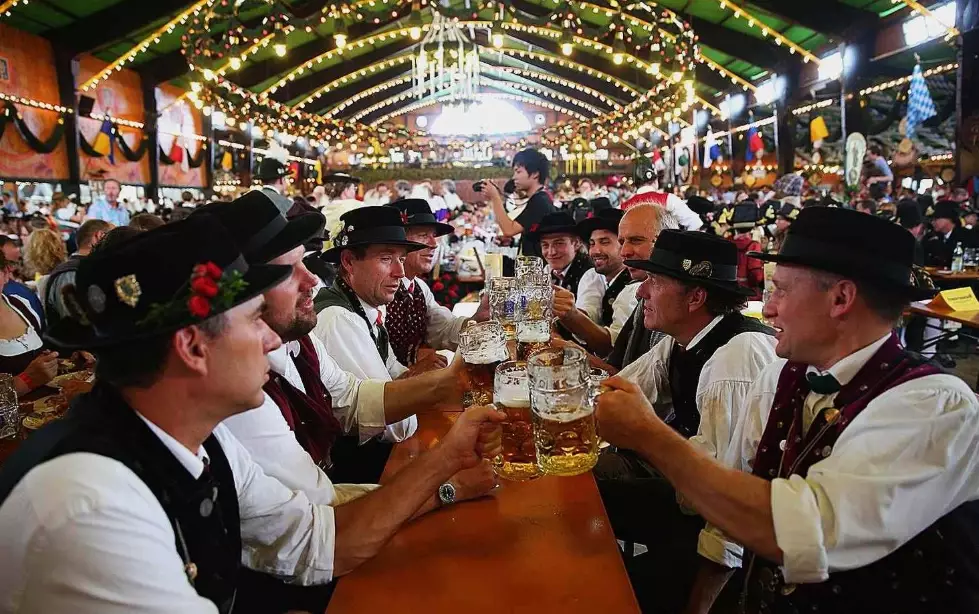
Oktoberfest Planning Guide: How to Book Tents & Save Money
Germany in September: Weather, Crowds & Insider Tips
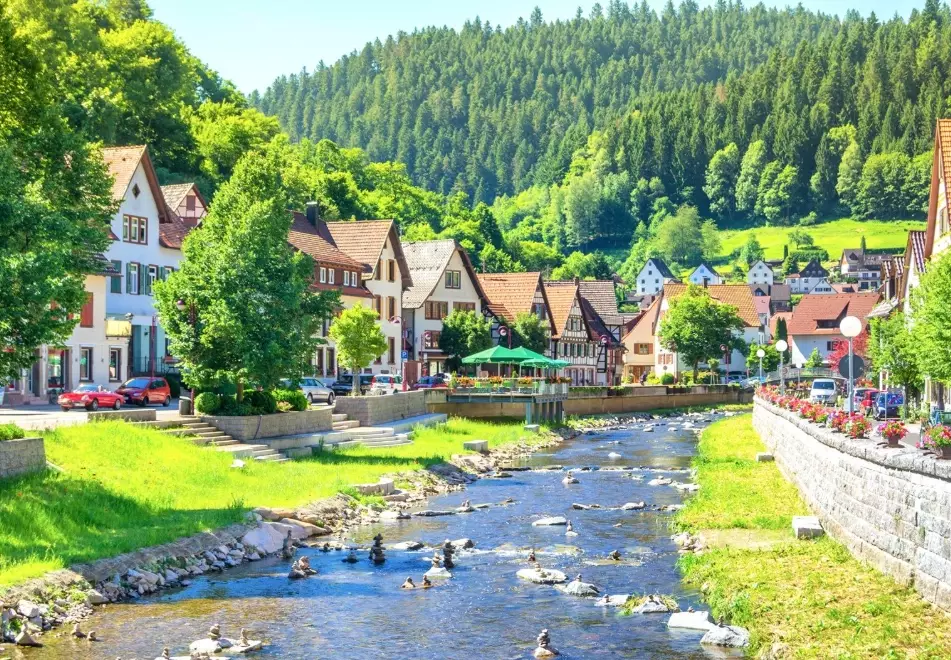
Black Forest Travel Guide: Real Routes, Costs & Locals' Tips
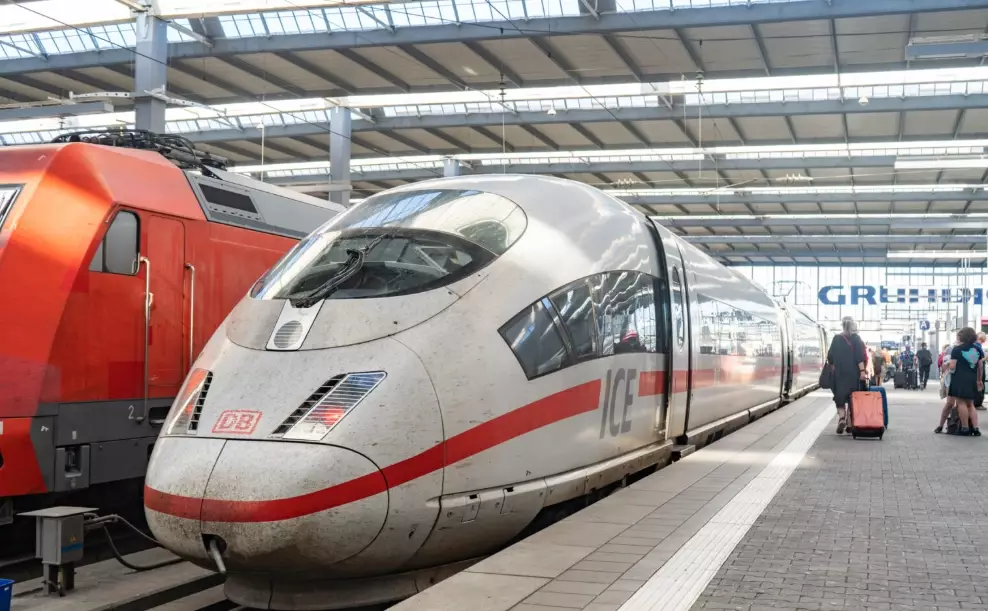
Germany by Train Guide: How to Ride Like a Local

Cologne Cathedral Visit: Tickets, Hours & Insider Tips