Germany by Train Guide: How to Ride Like a Local

I still remember standing on platform 7 at Frankfurt Hauptbahnhof, clutching a printed ticket, watching a train pull in that I thought was mine. It wasn’t. A kind local pointed me to the board. I’d misread the platform number. That moment taught me more than any Germany by train guide could—until now. This guide is that missed lesson, packed with the ticket tricks, platform quirks, and route logic that actually matter.
Quick Navigation
How to Buy Tickets Without Overpaying
Everyone says “book early.” That’s true, but not the whole story. Deutsche Bahn has a habit of releasing Sparpreis (saver) fares in batches. Waiting for a sale? Don’t. The cheap seats vanish fast, especially on Friday afternoons and Sunday evenings.
Here’s what I do: if I’m not sure about my travel dates, I use the Flexpreis (full-flex) but set a price alert in the DB Navigator app. When a saver fare drops below my threshold, I jump. Saves the guessing game.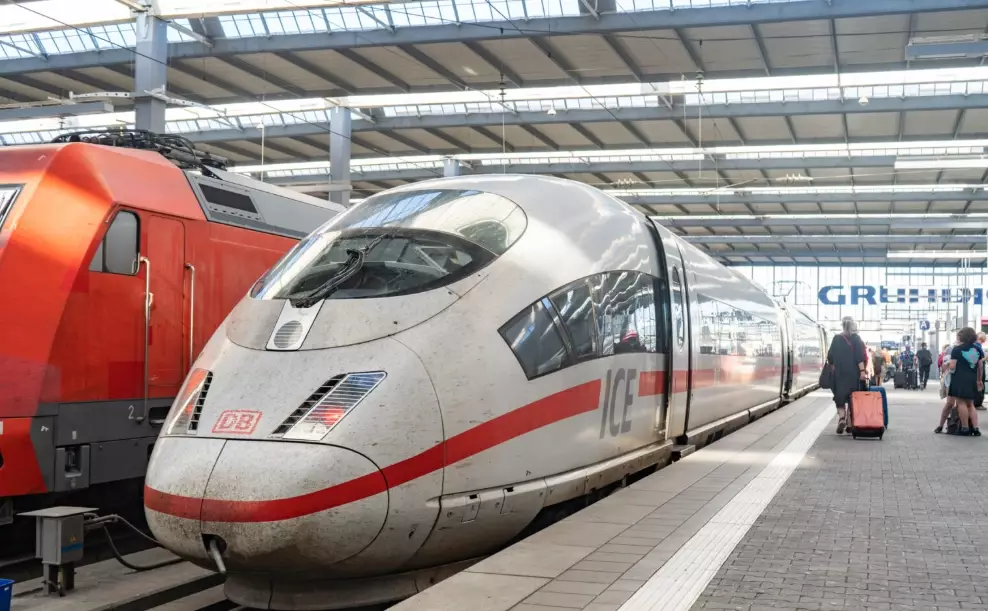
A Germany rail pass (like the DB BahnCard 25 or 50) often beats a one-off ticket if you’re riding more than once. The BahnCard 25 gives 25% off on saver fares—which stacks nicely if you book early. I learned that from a ticket inspector who scanned my full-price ticket and muttered in German: “Next time, get the card.”
Another trap: regional day tickets (Länder-Tickets). They’re a steal for short hops but useless for long-distance ICE trains. A common mistake is buying one for Munich to Berlin—it only covers slow regional trains and takes forever.
| Ticket Type | Best For | Price Example (approx.) | Key Catch |
|---|---|---|---|
| Sparpreis | Solo long-distance, flexible dates | €19.90–€49.90 (Berlin–Hamburg) | No refunds, train-only |
| BahnCard 25 | 2+ trips per month | €17.90/year (second class) | Discount only on saver fares |
| Länder-Ticket | Regional day trips with 2-5 people | €25–€35 per group | Valid from 9 AM on weekdays, all day weekends |
| Flexpreis | When plans might change | €120+ (Berlin–Cologne) | Full flexibility, free train swap |
Platform Secrets: What the Boards Don’t Tell You
The departure board shows a platform, but it often changes a few minutes before arrival. I’ve been burned by a last-second switch from 12 to 9 at Munich Hbf. Now I check the DB Navigator app and the printed board in tandem. The app updates faster than the overhead screens.
Another thing: on smaller stations, the platform might split into sections A, B, C. The train’s coaches line up exactly with these markers. If you have a reserved seat in coach 8, you’d better stand at section B. I once ran the length of a platform while the train waited—never again.
If you’re catching a connecting train, look for the platform number on the incoming train’s info screen before you get off. It shows the connecting platform and walking time. Saves a mad dash.
Route Essentials: Three Real Journeys You’ll Want to Copy
1. The Rhine Valley Classic: Cologne to Mainz
Ride the slow regional train (MRB or RE) along the Rhine. It takes about 2 hours, but you get castle views the whole way. Ticket: €22–€28. The ICE does it in 1 hour but tunnels through most of the scenery. Trust me, the slow train is the one.
2. Munich to Füssen (Neuschwanstein)
Buy a Bayern-Ticket (€25 for one, €35 for groups). The train goes to Füssen, then bus 78 takes you to the castle. The castle ticket (€21) sells out by noon in summer. I learned that the hard way—stood in a 40-minute line only to be told “sold out.” Book online two days ahead.
3. Berlin to Dresden
EC train takes 2 hours. A Sparpreis ticket costs €19.90 if you book a week ahead. Dresden’s Altstadt is a 20-minute walk from the station. Do it on a day trip.
Onboard Food and Seat Hacks
The onboard bistro on ICE trains is decent but pricey. A pretzel and coffee runs €8. I pack my own—nobody checks. But the real trick: seat reservations. They’re not mandatory, but if you’re on a Friday afternoon ICE, the train will be packed. €4.90 for a reserved seat is the best travel investment you’ll make.
If you don’t reserve, look for seats not marked with a red “reserved” light. And avoid the quiet zone unless you want a stern look for whispering.
FAQs: Real Traveler Questions
Is a Germany rail pass worth it if I’m only doing three long rides?
Probably not. A BahnCard 25 costs €17.90 and gives 25% off saver fares. If your three rides cost €40 each, you save €30—still less than a full rail pass. But if you value flexibility, a pass wins.
What happens if my ICE train is delayed and I miss a connection?
If you booked a through-ticket, DB will put you on the next available train—even if it’s an ICE. If you bought separate tickets, you’re stuck buying a new one. Always book as one journey, not two separate legs.
Do I really need to validate my ticket before boarding?
For paper tickets from a regional machine, yes—stamp it in the little blue box on the platform. For e-tickets on your phone, no. But I’ve seen travelers get fined €60 for forgetting the stamp. It’s a costly souvenir.
Fact-checked against DB’s official ticketing rules and my own platform mishaps across Germany.
Related Brewing Guides
Munich Beer Garden Guide: Where Locals Actually Drink

Germany Castle Road Trip: Routes, Tickets & Real Tips

Cologne Cathedral Visit: Tickets, Hours & Insider Tips

Romantic Road Itinerary: A Practical 5-Day Drive Plan
Best Time to Visit Germany: Month-by-Month Guide