Romantic Road Itinerary: A Practical 5-Day Drive Plan

I drove the Romantic Road from Würzburg to Füssen in five days, and the biggest lesson came early: this route rewards slow drivers, not box-tickers. Most people cram it into three days and end up seeing car parks. A realistic Romantic Road itinerary gives you one or two proper stops per day, an overnight in a small town, and enough slack for the weather to ruin your plan. Below is the drive I actually did, with the stops, costs, and a few things I'd change.
What's in this drive plan
What Is the Romantic Road, and Is It Worth Driving?
The Romantic Road (Romantische Straße) is a 350-kilometre signed driving route through Bavaria and Baden-Württemberg. It runs from Würzburg in the north to Füssen at the edge of the Alps. The route itself is not a single road — you follow brown signs reading "Romantische Straße" between towns. That detail matters. If you type "Füssen" into a sat nav and take the fastest motorway, you'll miss the whole point.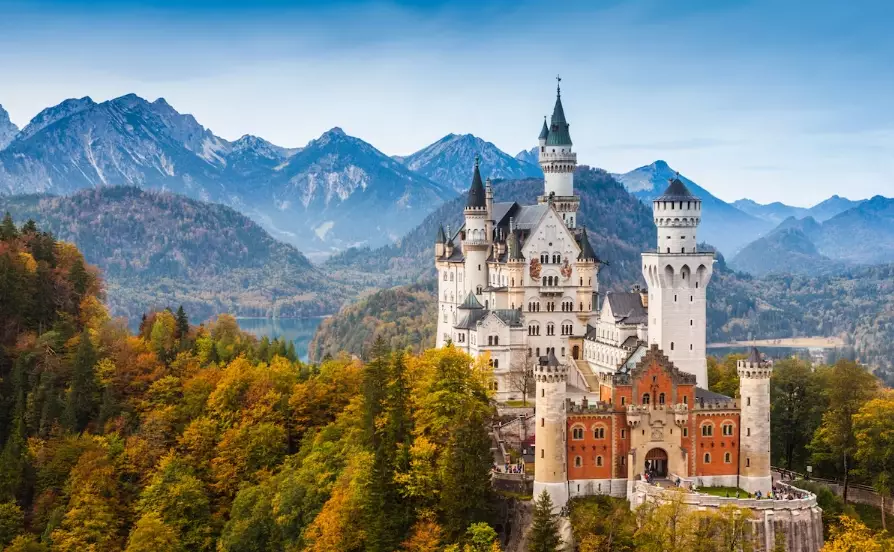
Is it worth it? For first-timers who want walled towns, half-timbered houses and Alpine foothills without planning a route from scratch, yes. For travellers who hate tour buses, pick your hours carefully — Rothenburg ob der Tauber between 11am and 3pm is a different town from Rothenburg at 8am.
My non-consensus take: don't start in Würzburg if you only have five days. Start in Rothenburg and drive south. The northern stretch is pleasant but the scenery gets dramatically better after Dinkelsbühl. I met three couples who did the full route north-to-south and all said the first day felt like filler.
The 5-Day Romantic Road Itinerary, Stop by Stop
This plan assumes a rental car picked up in Frankfurt or Nuremberg, a mid-range budget, and a driving pace of roughly 100–150 km per day. Distances are short; the time goes on parking and wandering.
Day 1: Würzburg to Rothenburg ob der Tauber
Pick up the car and drive to Würzburg. The Würzburg Residence (Residenzplatz 2, open 9am–6pm April–October, €9 entry) is a UNESCO-listed palace with a ceiling fresco that genuinely stops you mid-step. Then follow the signs south through Tauberbischofsheim and Bad Mergentheim. Arrive in Rothenburg by late afternoon.
Park at the P1 lot outside the walls (about €6 per day) — driving inside the old town is a mistake I watched two drivers make. Walk the town walls at dusk. Dinner at Zur Höll (Burggasse 8, mains €16–24, open from 5pm) is a tiny, low-ceilinged spot serving Franconian plates; book ahead or eat at 5pm sharp.
Day 2: Rothenburg to Dinkelsbühl and Nördlingen
Get up before 8am for the empty streets and the Tauber river view from the double bridge. Then drive 40 minutes to Dinkelsbühl — smaller, less crowded, and honestly more charming than Rothenburg for me. The Münster St. Georg on Weinmarkt is free to enter; the tower climb costs €2 and the staircase is narrow enough that I banged my shoulder twice.
Push on to Nördlingen, about 40 minutes further. This town sits inside a meteorite crater, and the complete circular wall is walkable in roughly an hour. The Rieskrater Museum (Eugene-Shoemaker-Platz 1, Tue–Sun 10am–4:30pm, €6) explains the geology without drowning you in jargon. Sleep in Nördlingen or push to Augsburg if you want city comforts.
Day 3: Augsburg and Landsberg am Lech
Augsburg is the route's big city and most guides undersell it. The Fuggerei (Jakoberstraße 26, open 9am–6pm, €8) is the world's oldest social housing complex, still charging residents a symbolic rent. I found it more interesting than any castle on the route.
Lunch near the Rathausplatz, then drive 40 minutes to Landsberg am Lech. The riverfront houses lean over the water and the whole town takes 90 minutes to explore. This is a good night stop — hotels are cheaper here than in Augsburg.
Day 4: Wieskirche and Neuschwanstein Approach
Drive south toward Steingaden and stop at the Wieskirche, a rococo pilgrimage church in a meadow. Entry is free; donations welcome. I've seen a lot of baroque interiors and this one is the most joyful — pale pink, white, and gold, with almost no gold-leaf bombast.
Then continue to Schwangau. Do not try to visit Neuschwanstein and the Wieskirche on the same morning. Neuschwanstein tickets (Hohenschwangau village, entry from 9am, €21 adult, book online in advance) sell out days ahead in summer. The walk up from the ticket centre takes about 30 minutes; the shuttle bus costs €3 and saves your legs. The interior tour lasts roughly 35 minutes and covers only a fraction of the castle — I'd go again for the view from Marienbrücke, not the rooms.
Day 5: Füssen and the End of the Road
Füssen itself is a compact old town with the Hohes Schloss (open Tue–Sun, €6) and the St. Mang basilica. Drop the car in Füssen and take the train to Munich if you're flying out — the station is a five-minute walk from the old town and the regional train to Munich takes about two hours.
A route-level tip I didn't find in guides: the signed Romantic Road is sometimes replaced by local detours during harvest season. Follow the signs, not the sat nav's shortest path. The detours are usually prettier anyway.
Where to Stay Along the Route
These are places I or people I travelled with actually stayed in, priced for a double room in shoulder season.
| Town | Place | Character | Price per night |
|---|---|---|---|
| Rothenburg | Hotel BurgGartenpalais (Herrngasse 26) | Historic house inside the walls, quiet courtyard, breakfast included | €110–150 |
| Nördlingen | Hotel Goldene Rose (Marktplatz 5) | Simple rooms on the main square, free parking nearby | €85–110 |
| Landsberg am Lech | Hotel Landsberg (Hauptplatz 1) | Central, riverside walks on the doorstep, good value | €95–125 |
| Schwangau | Hotel Müller (Alpseestraße 16) | Closest to the castle ticket centre, family-run, hearty breakfast | €130–170 |
Food, Costs, and What I'd Skip
My total spend for two people over five days, excluding flights: about €1,150. Fuel came to roughly €90. Tolls were zero on this route; parking averaged €5–8 per town per day. Castle and museum entries added about €120 for two.
Food worth planning around: Dinkelsbühl's Weib's Brauhaus (Altrathausplatz 6, mains €14–20, closed Mondays) brews its own dark beer and serves a pork roast that I still think about. In Landsberg, the café on the Hauptplatz side streets does a decent Flammkuchen for under €10 — ask locally, the good ones don't advertise.
What I'd skip: the Romantic Road's northern tip around Würzburg if time is tight; the horse-drawn carriage to Neuschwanstein (slow, expensive, and the walk is nicer); and any souvenir shop inside Rothenburg's walls, where prices are 30–40% higher than in Dinkelsbühl for the same wooden toys.
One negative note: Augsburg's traffic at rush hour is genuinely annoying, and its pedestrian zone has too many chain stores. If you're short on days, Nördlingen deserves the overnight more than Augsburg does.
FAQ: Romantic Road Itinerary Questions
This itinerary was checked against current opening times and prices on official tourist office pages before publishing.
Related Brewing Guides
Germany by Train Guide: How to Ride Like a Local
Germany Christmas Markets: Insider Guide to Best Glühwein & Stalls
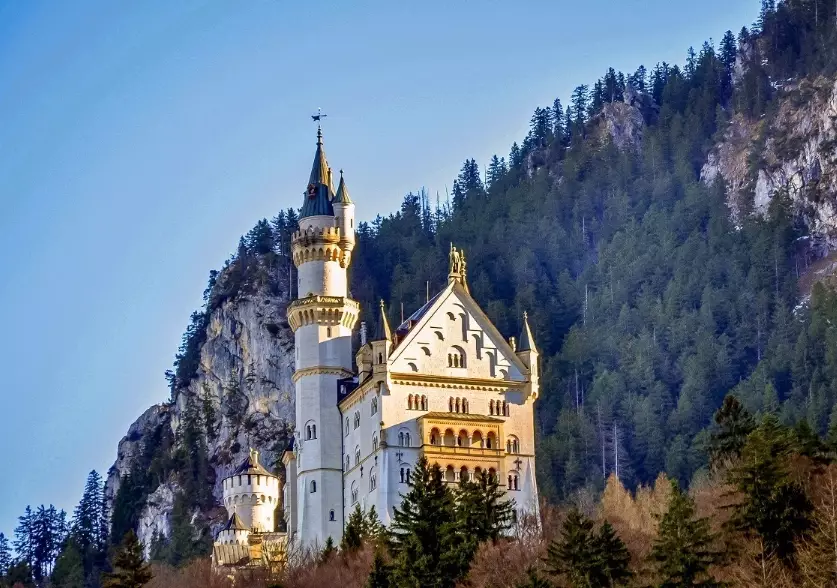
Germany Castle Road Trip: Routes, Tickets & Real Tips
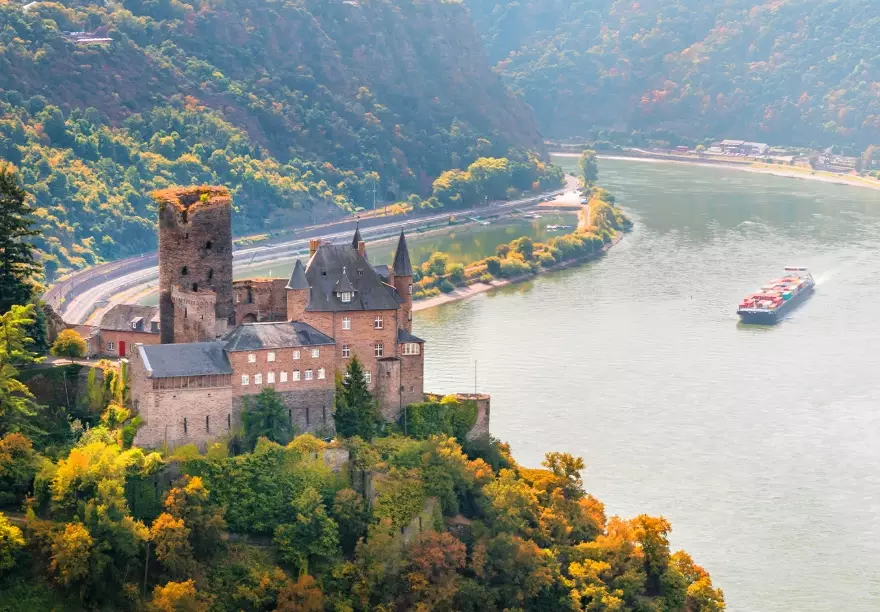
Rhine Valley Day Trip: Plan a Perfect One-Day Itinerary
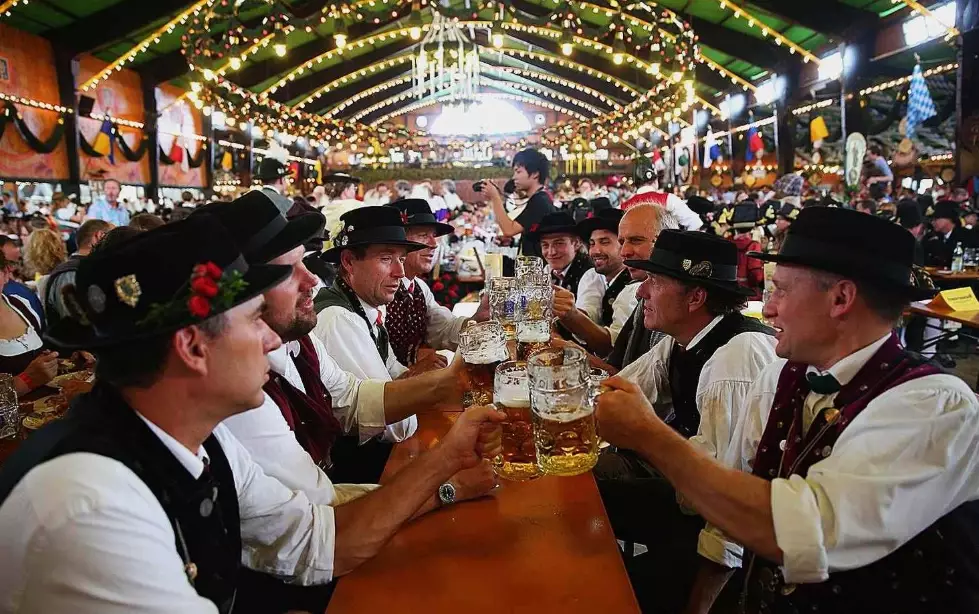
Oktoberfest Planning Guide: How to Book Tents & Save Money