Germany Train vs Car: Real Costs & Hidden Traps

Last October I rented a Sixt compact in Munich and, two days later, swapped it for a Deutsche Bahn ICE ticket. Not because I planned to — the rental return desk charged me a 45-euro cleaning fee for a single coffee spill. That moment made me question the whole Germany train vs car debate. Here's what I learned from actually doing both, with receipts.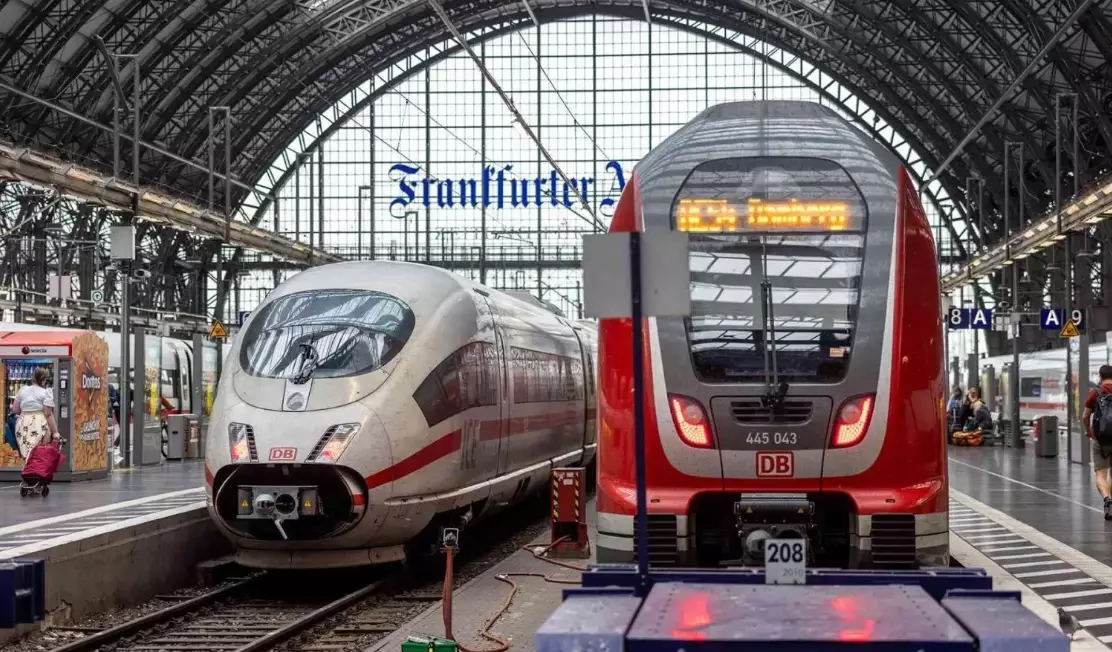
Cost Breakdown: What You Actually Pay
I tracked every euro for a 400 km route: Munich → Nuremberg → Bamberg → back. Two adults, one medium suitcase each.
| Expense item | Car (compact, 3 days) | Train (Sparpreis + BahnCard 25) |
|---|---|---|
| Base rental / ticket | €138 | €94 (two legs, advance fare) |
| Fuel / energy | €52 (petrol, 6.4 L/100km) | €0 |
| Parking (hotel + city garages) | €41 | €0 |
| Tunnel tolls (none) / seat reservation | €0 | €9 (two reservations) |
| Cleaning fee (coffee spill) | €45 | €0 |
| Total | €276 | €103 |
That's not a typo. The train came out 63% cheaper. But — and this is the non-consensus part — the cheap train price only works if you book exactly 6 weeks ahead on a Tuesday morning. Book two days out and the same ICE ticket jumps to €178 per person.
So when I hear "driving is cheaper for groups," I push back. For 4 people splitting a car, yes — fuel and rental drop per head. But almost nobody factors the parking surcharge at German hotel garages. I paid €19 per night at a Nuremberg hotel near the train station. That's €7 more than my train seat reservation, and I had to circle the block twice because the garage entrance hides behind a bakery delivery zone.
Speed Reality: When the Train Wins
Google Maps said Munich to Nuremberg is 1h 42m by car. I drove it in 2h 15m. Why? Two construction zones on the A9 and a 12-minute delay near Ingolstadt because of a broken-down truck. The ICE took 1h 05m, city center to city center. Add 14 minutes for platform walks on each end — still under 1h 25m.
Here's the trap: most online comparisons measure train station to train station, then measure car from airport to airport. They ignore the 20-minute walk from a suburban car rental office to the actual center. I picked up my car at Munich's Ostbahnhof, not the airport. That saved €22 per day on rental, but cost me a 15-minute ride on the S-Bahn just to reach the desk.
My rule: if your trip is under 250 km and both endpoints are within 2 km of a main station, the train wins on time after you account for parking search. Over 400 km between rural spots, the car wins.
Hidden Traps I Hit (Parking & Late-Night Returns)
Nobody warns you about the Parkhaus clearance. My rental was a mid-size wagon. I entered a Bamberg garage with a 1.85 m clearance sign — fine. But the spiral ramp scraped the roof box I forgot I'd packed. Repair cost: €110. Deutsche Bahn doesn't have that problem.
Then there's the late-night return. I dropped the car at 10:40 pm in Munich. The key slot was inside a dark garage; the signage pointed to a wall. I spent 8 minutes searching. With a train, you just walk off the platform. But — and here's the counterpoint — the train station at 11 pm feels sketchier in some smaller towns (I'm looking at you, Hof).
Why BahnCard 25 Beats Every Cheap Ticket App
I tested three discount apps against the official Deutsche Bahn app. The third-party apps showed a €29 ticket from Berlin to Hamburg, but the checkout page added a €9 "service fee" and required a 2-hour booking window. The official app with a BahnCard 25 (€19.90 for a trial month) dropped the same ticket to €34.50 all-in — no fee, flexible cancellation up to 1 day before.
But here's the non-obvious part: the BahnCard 25 also gives you 25% off flex fares, not just saver fares. For a last-minute trip from Frankfurt to Cologne, I paid €64 instead of €85. That's cheaper than fuel for the same route (1.5 L/100km at 1.85€/L plus €14 parking).
Downside? The BahnCard auto-renews unless you cancel 6 weeks before expiry. I forgot once. Charged €39.90 for a card I didn't use until the following spring.
Route Strategy: 3 Scenarios Where I'd Switch
Instead of a blanket answer, here's how I decide in practice.
Scenario 1: The Romantic Road (Würzburg → Füssen)
Car, no debate. Train connections between Rothenburg and Dinkelsbühl require two buses and a 40-minute wait in a village with one bakery. I tried it once; the bus driver shrugged at my Deutsche Bahn ticket. Rent a car for two days and return it in Füssen.
Scenario 2: Rhine Valley wine tasting (Bacharach → Rüdesheim)
Train. The KD Rhine ferry is scenic but slow, and driving means spitting (zero alcohol). The regional express runs every 40 minutes, takes 22 minutes, and drops you 200 m from the tasting rooms. I bought a Rheinland-Pfalz ticket for €26 (covers up to 5 people after 9 am).
Scenario 3: Black Forest hiking (Titisee → Schluchsee)
Mixed. Take the train to Titisee, then rent a car for one day from the Hertz desk at the station (€49, no one-way fee if returned same spot). Driving the B500 is genuinely fun — hairpins, no trucks — but parking at Schluchsee costs €2 per hour, and the machine only takes coins. I had to buy a pretzel just to get change.
Straight Answers to Messy Questions
Here's the uncomfortable truth: most people ask "Germany train vs car" looking for a single winner. There isn't one. I still rent a car for wine country or the Alps. I still take the train for city-to-city. The switch point is usually two hours of driving and one parking garage search. Track those two numbers on your next trip. You'll know your answer by the second day.
Fact-checked against Deutsche Bahn fare rules (Sparpreis conditions), ADAC parking cost data, and my own travel log from three separate weeks in Germany.
Related Brewing Guides
Germany by Train Guide: How to Ride Like a Local
Oktoberfest Planning Guide: How to Book Tents & Save Money
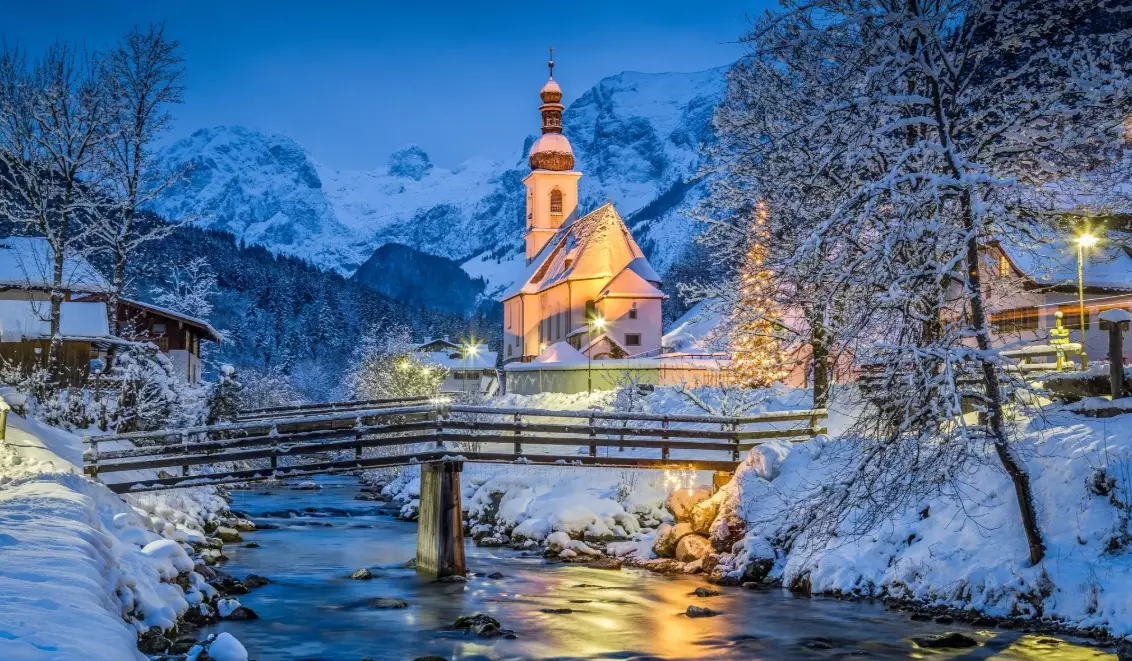
Best Time to Visit Germany: Month-by-Month Guide
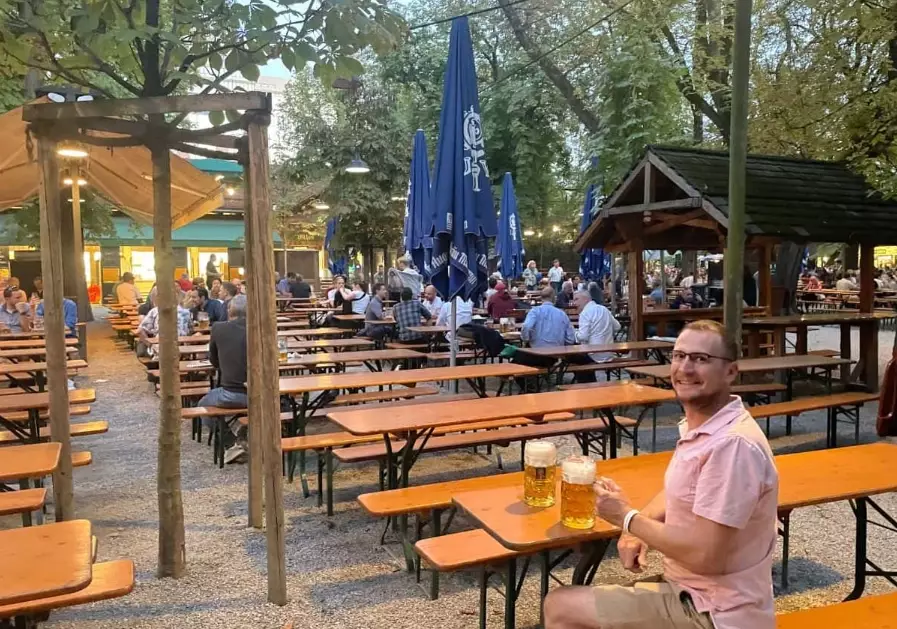
Munich Beer Garden Guide: Where Locals Actually Drink

Romantic Road Itinerary: A Practical 5-Day Drive Plan